
The Southern Highlands corridor in Tanzania (formerly known as SAGCOT) and the Beira corridor in Mozambique were conceived as engines to accelerate development. The goal for these areas was two-fold: enhancing opportunities for local communities and creating a competitive agricultural sector able to increase market share in the international stage.
Agriculture accounts for roughly one quarter of GDP in both countries and employs around two-thirds of the workforce but is increasingly vulnerable to hazards and risks due to the climate crisis. When droughts, floods or cyclones hit these landscapes, it is not only smallholders who feel the shock; banks, processors, utilities, logistics firms and investors see it on their balance sheets.

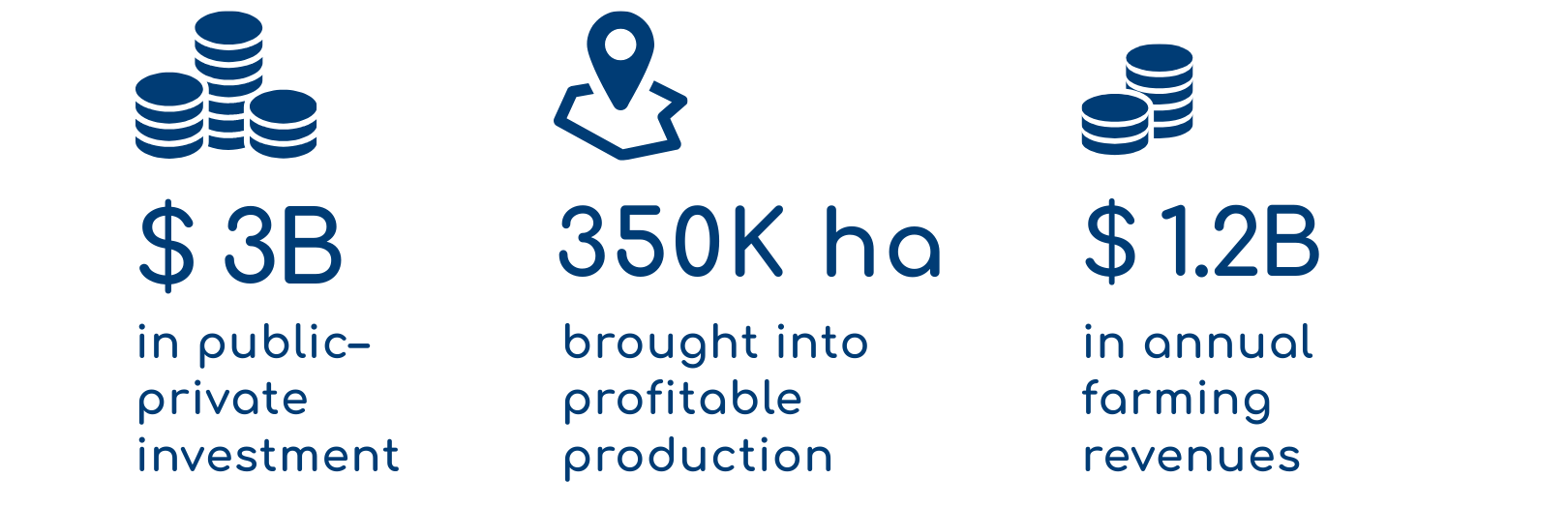
Yet the investment potential is immense: the Southern Highlands corridor alone was designed to catalyse more than USD 3 billion in public–private investment, bringing 350,000 hectares into profitable production and generating more than USD 1.2 billion in annual farming revenues by 2030. Similar ambitions underpin Mozambique’s growth corridors, where infrastructure and value chain investments are intended to transform the country into a regional food and commodity hub.
The question for businesses, financiers and governments is no longer whether to invest in these corridors, but how to do so in ways that foster sustainability and resilience.
This is the lens that SUSTAIN applies to its work in Tanzania and Mozambique. Rather than treating environmental and social issues as compliance boxes to tick, SUSTAIN approaches growth corridors as integrated landscapes where economic, ecological and social systems are tightly intertwined.
In practice, this means driving three shifts:
SHIFT 1
Embed sustainability into commodity value chains through targeted investments
For investors, banks and agribusinesses, identifying credible, risk-aware deals is the main priority. SUSTAIN has been making these opportunities visible and investible.
Working with partners in Tanzania and Mozambique, SUSTAIN has developed a series of value chain investment factsheets — spotlighting established commodities like rice and maize, and emerging ones — that translate complex landscape realities into concrete business cases. A product of joint dialogue between producers, cooperatives, processors, corridor authorities, local government, national regulators and financiers, each factsheet sets out the commercial opportunity, climate and land-health risks, capital needs, expected returns and the actions required to keep ecosystems and communities functioning.









Click a focus area to explore each SUSTAIN investment factsheet
The dialogue underpinning these factsheets matters: it aligns what is technically possible on the ground with what communities see as fair, and what banks and investors regard as bankable.
As Adam Ndatulu, Cluster & Partnerships Specialist at the Agricultural Growth Corridors of Tanzania, explains, economic resilience “is about creating diversified, fair and environmentally responsible value chains that allow both people and ecosystems to thrive over the long term”.
By grounding the factsheets in this broader notion of resilience, SUSTAIN is contributing to developing a pipeline of corridor investments that can diversify local economies, strengthen land and water stewardship and stabilise supply chains – outcomes that matter as much to credit committees as they do to communities.
Once Shift 1 identifies the right opportunities, Shift 2 can help create incentives for the smart business decision to be the sustainable one.
SHIFT 2
Create financial and market-based incentives for sustainable business to thrive
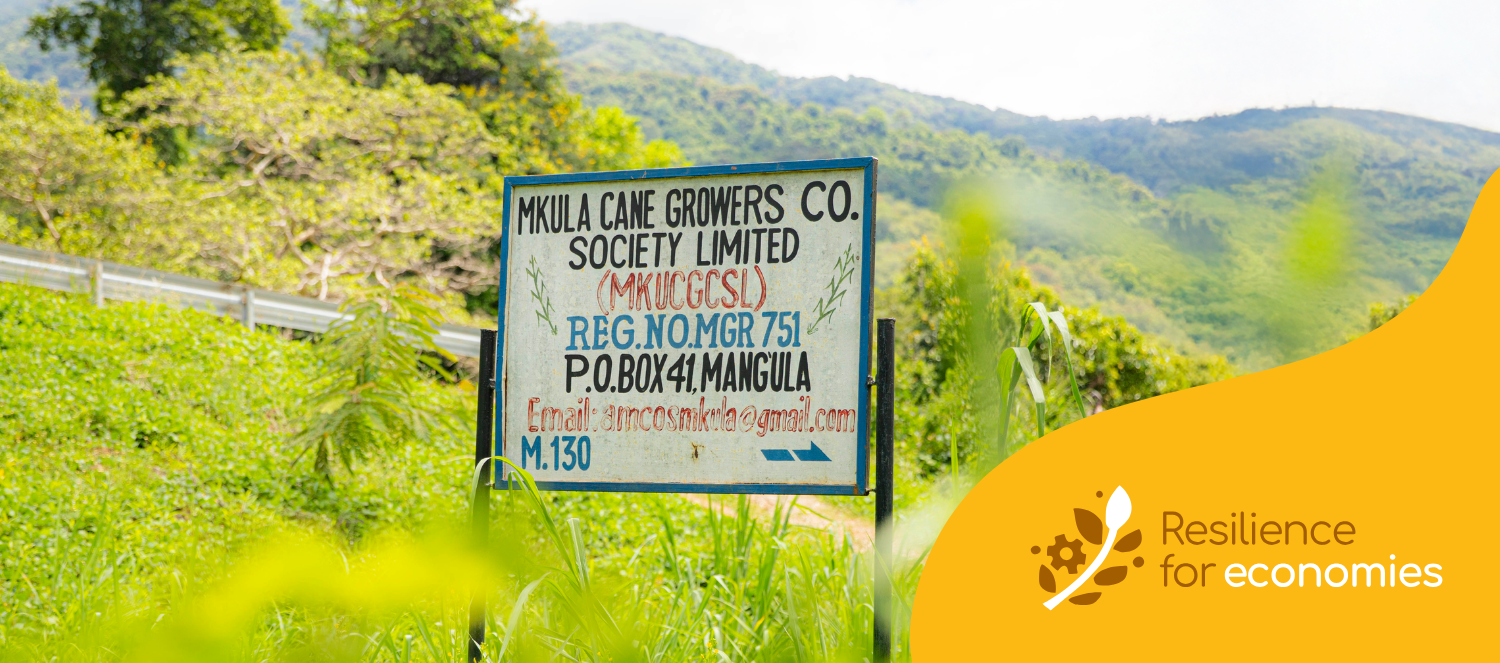
In the Kilombero Valley, Kilombero Sugar Company (KSC) shows what this looks like in practice. As a major buyer of sugar cane in the landscape, KSC sits at the centre of a vast grower network. Together with SUSTAIN, KSC has enabled a shift in the network’s appreciation of risk, value and responsibility.
Take agrochemical waste: SUSTAIN worked with partners to set up 17 dedicated collection points (vizimba) and train hundreds of sugarcane farmers to ensure safe disposal. KSC is now integrating this model into its Farm Sustainability Assessment, which means farmers are encouraged to carefully manage chemicals on their land and protect soil and water resources.
When it comes to financial incentives, KSC has helped growers and hauliers to access bank loans for cane development and trucks, while the Kilombero Community Charitable Trust and SUSTAIN provide training on good agricultural practices and environmental conservation.
For growers facing volatile prices, rising input costs and climate shocks, combining financial incentives with technical support is essential to foster resilience. As Grower Optimisation Manager Andrew Acola puts it, resilience is the ability “to withstand and absorb difficult economic times and spring back to normal functions after the shocks.”
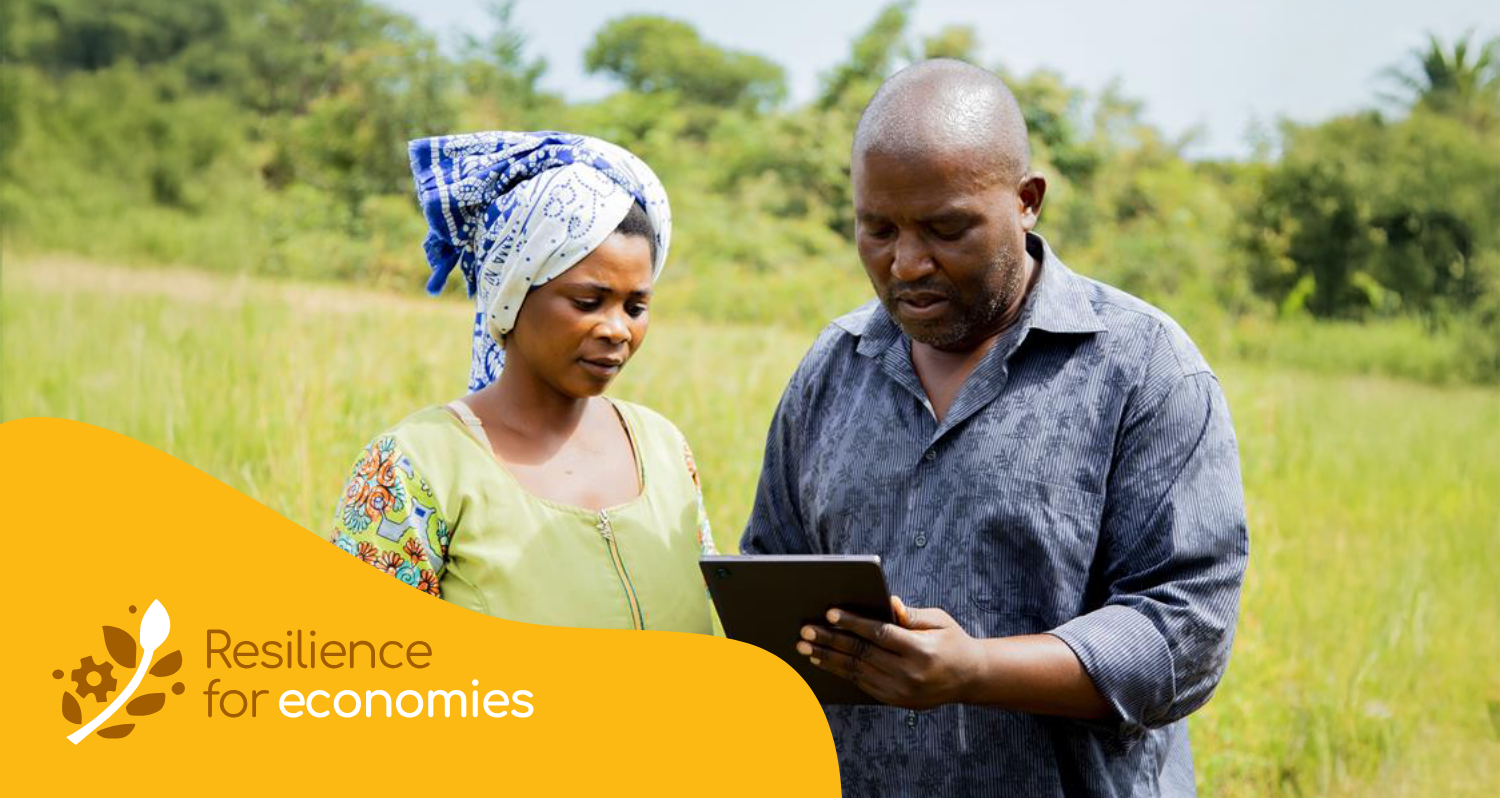
Beyond sugarcane, SUSTAIN has mapped blended finance, payment for ecosystem services (PES) and carbon-credit pathways for climate-smart agriculture and nature-based solutions across staple (rice, maize) and emerging (agroforestry, honey) value chains. A proposed PES scheme in the Vidunda Catchment, for example, would reward upstream farmers for protecting water sources that downstream utilities and businesses depend on, while start-up grants to local organisations are testing new revenue streams in ecotourism, agroecology and river restoration.
Similarly, in Cagole and Nhaumbwe Catchments in Mozambique, SUSTAIN, working with Gapi and Hollard Insurance, developed a blended finance approach to help producers access private finance to meet market requirements — particularly by investing in post-harvest conservation and improved handling of horticultural products strengthening their competitiveness in the agricultural markets.
Step by step, these interventions send a clearer market signal: in Tanzania’s and Mozambique’s growth corridors, there is growing reward for those who invest in ecosystem stewardship.
While investing in shifting the supply towards resilience is important, mainstreaming will only happen when the demand for sustainable business practices grows. That’s where Shift 3 comes in.
SHIFT 3
Set shared targets to drive sustainability at scale
This is where business associations have an important role to play. In Tanzania, the CEO Roundtable (CEOrt) is using its Business & Sustainability pillar to ask a pointed question: how can Tanzanian firms absorb climate and market shocks, protect jobs and supply chains, and keep creating value for people and the planet?
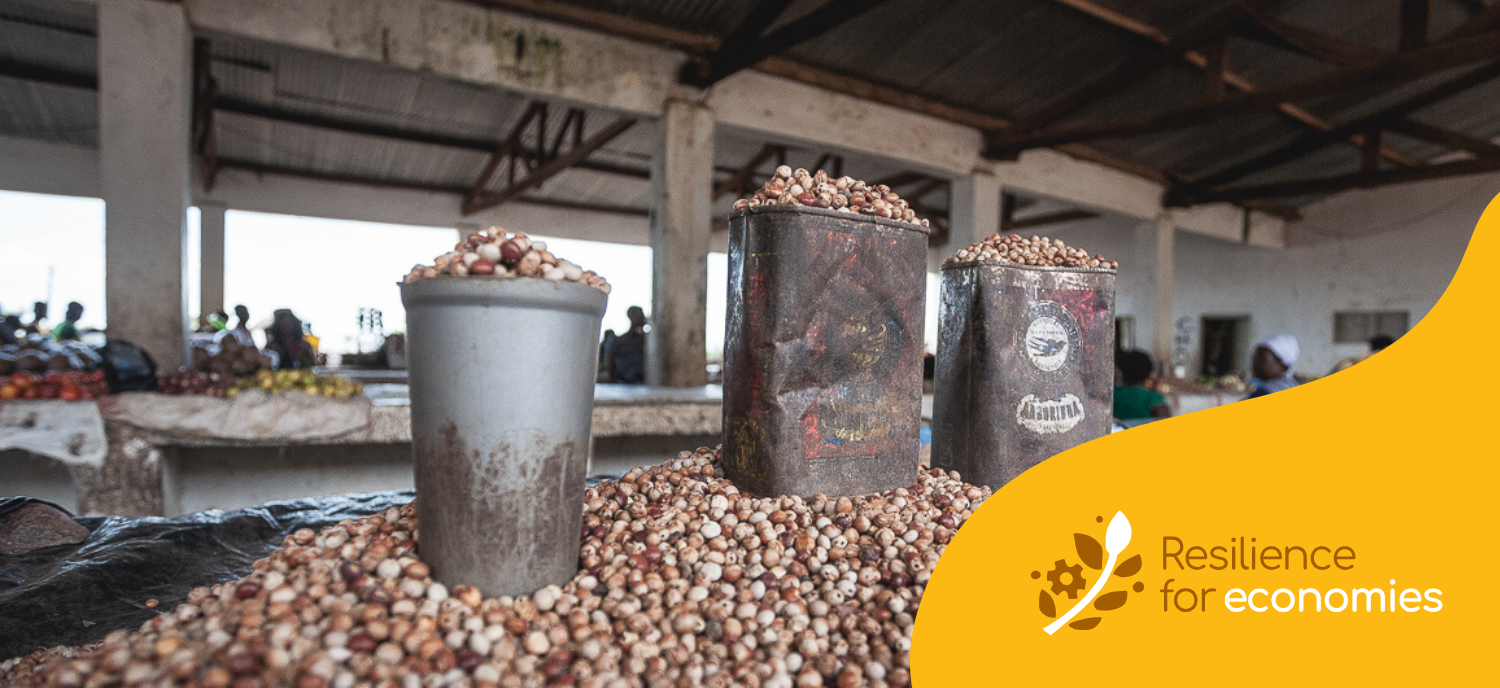
As Executive Director Santina Benson highlights “economic, environmental and social challenges are interconnected [and] integrating environmental and social considerations into economic decisions strengthens business resilience”. She also stresses that resilience is strengthened when communities are empowered through skills, access to finance and a real stake in ecosystem stewardship.
This thinking underpins the Green Finance Campaign, developed with IUCN under SUSTAIN. Launched in 2025, the campaign uses CEOrt’s convening power to bring financial institutions, multi-national companies, MSMEs, regulators and development partners into a shared conversation on climate and nature-positive investment. Webinars on the Green Climate Fund, a high-level Green Finance Forum in Dar es Salaam and practical case studies – from logistics operators like Suhara Transport to major brewers – are all aimed at one thing: realising green finance deals that align with Tanzania’s NDCs, Vision 2050 and the pipeline of nature-based business cases emerging from the corridors.
With a public ambition for at least 30% of its members to be on a net-zero journey by 2030, CEOrt is helping shift sustainability from “nice to have” to a benchmark for serious business. When those kinds of targets are echoed by corridor secretariats, regulators and investors, they become a powerful market signal: this is the direction of travel, and capital is expected to move with it.
In Mozambique, the Confederation of Economic Associations (CTA) is driving a similar shift using its Sustainability, Circular Economy and Climate Change portfolio to translate national climate and restoration commitments into shared private-sector priorities. By advocating for fiscal incentives, dedicated financing lines for sustainable production and simpler administrative requirements, CTA is helping send a clearer market signal: sustainability is becoming the benchmark. Through SUSTAIN, IUCN is working with CTA to support key actors along the Beira Corridor, such as HCB, ADVZ, GAPI, and the Provincial Business Centre (CEP) to report against biodiversity indicators and standards making progress visible, comparable, and easier to scale.
Taken together, these three shifts are changing what investment looks like in Tanzania’s and Mozambique’s growth corridors, embracing a landscape-wide approach to reduce risk, open new markets and build resilience.
This article is part of the SUSTAIN Stories campaign, which is celebrating the ongoing successes of SUSTAIN across its three pathways and the individuals and communities that make it possible. The SUSTAIN initiative is supported through the generous contributions of Norwegian Agency for Development Cooperation (NORAD) and The Swedish International Development Cooperation Agency (Sida).
