
Rethinking trade, food production and water in a changing climate.
Water is one of the largest hidden inputs in global trade in food commodities.
While the food product may be exported, the degraded freshwater system is left behind. Economic value moves through the supply chain while treatment costs, ecosystem damage and productivity losses often remain in the producing or downstream catchment.

طارق وهبة/Pexels
This creates a deceptively simple question at the heart of international trade: does it matter where things are grown? Increasingly, the answer is yes. But simply calculating how many litres of water are embedded in a product does not tell us enough. The more important questions are we growing the right crops or raising the right livestock in the right places, who benefits economically, who carries the water-security consequences, and whether climate change is making today’s food production geography progressively less viable?
Virtual water was the beginning, not the answer
The late Tony Allan’s concept of virtual water gave us a powerful way of seeing the relationship between trade and water. Water-scarce countries do not need to produce everything domestically. By importing food and other water-intensive goods, they are effectively importing the water required to produce them.
In principle, trade can improve global water use by allowing water-intensive goods to be produced where water is relatively abundant and productive and imported where it is scarce. The Global Commission on the Economics of Water estimates that around 1,800 cubic kilometres of green and blue water are traded through crops each year. Trade can therefore relieve scarcity, but only if production occurs under sustainable hydrological conditions.
Actual trade patterns reflect much more than water: land and labour costs, sunlight, infrastructure, subsidies, energy prices, irrigation investment, trade rules, consumer demand and corporate sourcing. Crops are therefore not necessarily produced where water is most sustainably available.
The World Bank estimates that crop trade generates substantial global water savings, yet significant volumes of irrigation water embedded in trade come from places that are more water-scarce and less efficient than destination markets. Trade can therefore relieve scarcity or entrench it. The relevant test is not a national average but basin and sub-basin conditions, including seasonality, groundwater, environmental flows, pollution and competing demands.
Why do we grow crops in dry places?

Luis Rodriguez/Unsplash
Some of the world’s most commercially successful food-producing regions are also water stressed. That is not necessarily irrational.
Dry and semi-arid climates can offer high solar radiation, long growing seasons, predictable weather and the ability to supply crops when colder markets cannot. With irrigation, they can become extraordinarily productive.
Southern Spain is an obvious example, supplying high-value winter horticulture to northern Europe. Similar economics operate in Morocco, Peru, Chile, California and parts of Australia. In some places irrigation enables two or even three crops a year, making water highly productive economically.
The wider problem is that production is often poorly aligned with local hydrology. Irrigated rice is concentrated in parts of Asia facing groundwater depletion and seasonal stress. Maize is grown in drought-prone parts of Africa and at huge scale in the United States, including for livestock feed and biofuels. Wheat is produced in parts of the Middle East and North Africa where irrigation can carry a high opportunity cost. None of these crops is inherently wrong for a region, and much production is rainfed or strategically important. The problem is where subsidies and market incentives lock production into places whose hydrological case is weakening.
Demand matters too. As incomes have risen, global diets have become more resource intensive, particularly through greater consumption of meat, dairy and processed foods with substantial embedded water. Water footprints should not dictate diets, but food-system resilience will require demand-side change as well as better production. Healthier diets with less dependence on highly water-intensive animal products, less food loss and waste, and greater use of crops suited to local conditions can reduce pressure on blue and green water. The question is therefore not only where food is grown, but what markets are asking farmers to grow.
This exposes three different forms of comparative advantage. Climatic advantage comes from sunshine, temperature and growing season. Hydrological advantage exists where production is compatible with basin water availability, groundwater condition, environmental flows and social demands. Policy-created advantage arises where cheap irrigation, subsidised pumping, infrastructure, crop support or weak regulation lower production costs.
A crop can therefore look globally competitive while its water economics depend on public support or unpriced environmental costs. Comparative advantage should be tested against the full opportunity cost of water, including impacts on ecosystems, other users and future water security.
A region can have strong climatic advantage and weak hydrological advantage. Public policy can bridge that gap, which is why subsidies matter.
The Global Commission on the Economics of Water estimates agricultural support at more than US$630 billion annually and argues that production-linked and input subsidies can distort cropping patterns, encourage water-intensive production in arid areas and increase nutrient pollution. The World Bank’s 2019 report Quality Unknown adds the downstream dimension: agricultural intensification and fertiliser losses can impose significant water-quality costs beyond the farm. Trade barriers, subsidies and market-chain incentives therefore carry water costs that need to be assessed alongside production locations, trade flows and where value is added.
That also makes water a question for ministries of finance, planning, agriculture and trade, not only water authorities. If public expenditure, crop support, infrastructure finance and trade incentives are pushing production toward hydrologically fragile places, better water metrics alone will not correct the problem. Economic planning and subsidy design have to become part of water governance.
Who gets the product, and who gets the value?
Virtual-water analysis shows where water is used, but much less about where the economic benefits go.
Four flows matter: commodities; the water consumed to produce them; the value captured through processing, branding and retail; and the environmental liabilities, including depletion, pollution and ecosystem damage. They often move in different directions.
Coffee and cocoa are largely produced in the Global South but consumed disproportionately in richer economies, where processing, branding and retail capture substantial downstream value.
The same applies to European horticulture. Spanish berries and vegetables reach supermarkets across northern Europe, while groundwater depletion, nitrate pollution and wetland impacts remain in the producing catchment, along with much of the regulatory and remediation burden.
This is why Fair Water Footprints is an important advance over simple water-footprint accounting. The Glasgow Declaration’s concept of a fair water footprint includes sustainable and equitable withdrawals, zero pollution, nature protection and adequate water, sanitation and hygiene for workers. But the logic arguably needs to go one step further. If downstream actors capture substantial economic benefits from embedded water, should they also contribute to maintaining the water systems that enable those value chains to exist? That turns fair water footprints into an issue of benefit and burden sharing.
Pollution is part of the trade equation
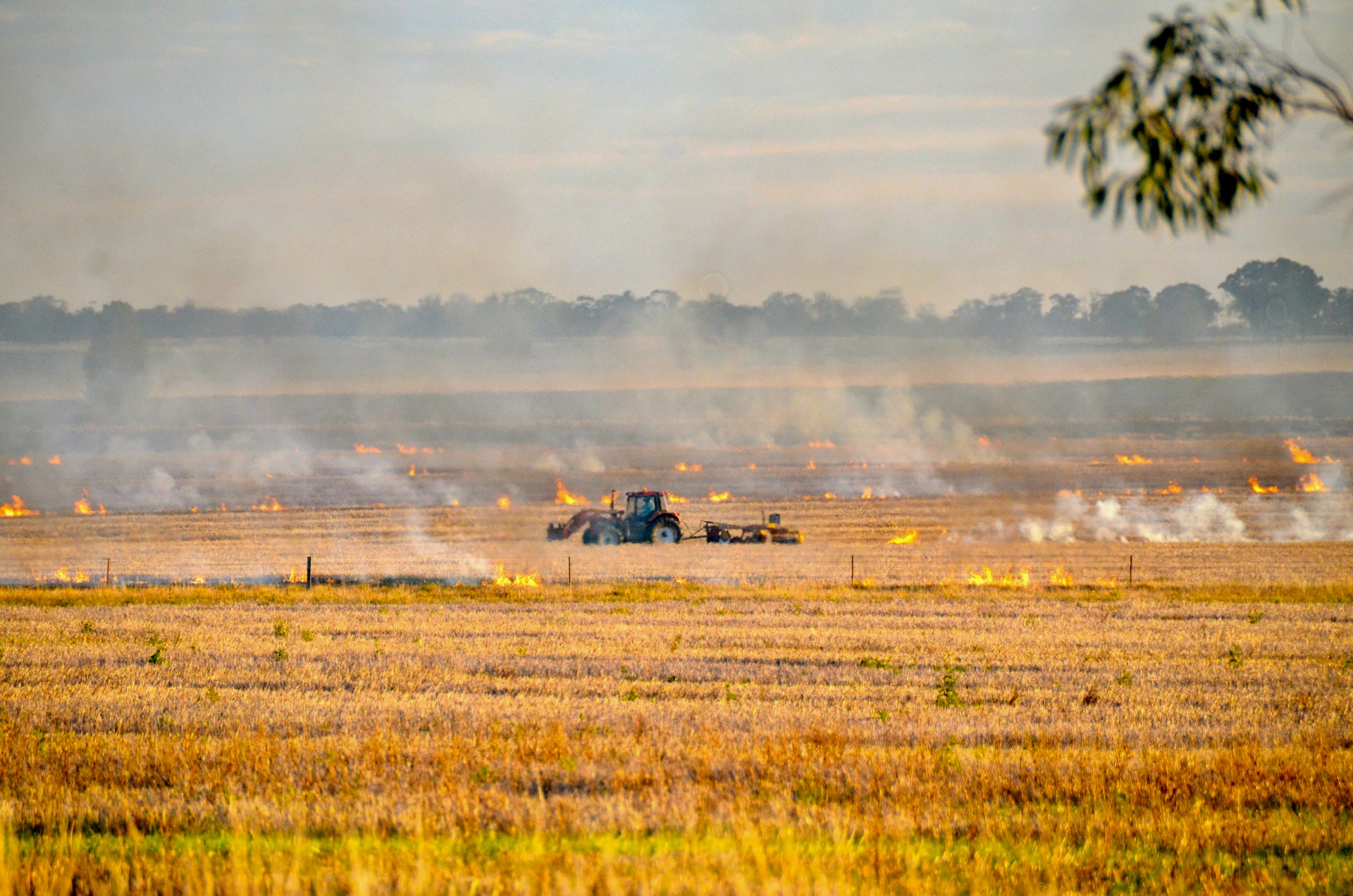
David Maunsell/Unsplash
This distributional problem is not confined to water quantity. The World Bank’s report Quality Unknown showed that water pollution can impose measurable economic costs downstream. Its global analysis found that when upstream surface water is heavily polluted, downstream economic growth can be materially lower. The report’s central point is important for trade: production benefits can be captured in one place while water-quality costs are transferred through rivers, aquifers and catchments to others.
Agriculture is central. The report found that a 10 per cent increase in upstream crop yields was associated with a 12.6 per cent increase in downstream nitrogen concentrations. Fertiliser use can therefore create another hidden subsidy when commodity prices exclude the costs of nitrate removal, degraded drinking-water sources, eutrophication and lost ecosystem function. Utilities, local authorities, other users and ecosystems often carry these costs.
This strengthens the case for moving beyond a volumetric water footprint. A fair assessment of traded production needs to ask not only how much blue and green water is used, but what pollution is generated, who is exposed to it, who pays to manage it, and whether those costs are visible in the sourcing and pricing decisions that created them.
Doñana shows why this matters
The Doñana landscape in southern Spain is an especially useful case. High-value irrigated agriculture around the wetland supplies lucrative European markets. Production benefits from favourable climatic conditions, sophisticated irrigation, infrastructure and close access to wealthy consumers. At the same time, groundwater abstraction has placed pressure on one of Europe’s most important wetland systems.
Better irrigation, enforcement and monitoring are necessary, but they do not address the whole system.
European demand drives purchasing; agricultural support and irrigation infrastructure shape production economics; water authorities regulate abstraction; environmental authorities protect the wetland; and nutrient and agrochemical losses create local liabilities. Different policies and actors therefore distribute benefits and costs very differently.
Governments can subsidise irrigation efficiency while also paying to restore ecosystems affected by agricultural water demand. Yet irrigation efficiency does not necessarily save water.
OECD analysis of water use in Spain shows that irrigation modernisation can be followed by expansion of irrigated area, more water-intensive crops and additional harvests. Spain invested around €3.8 billion in irrigation transformation and modernisation between 2000 and 2021. Without metering, abstraction controls and effective caps, governments can end up subsidising more efficient depletion.
Climate change reframes the geography
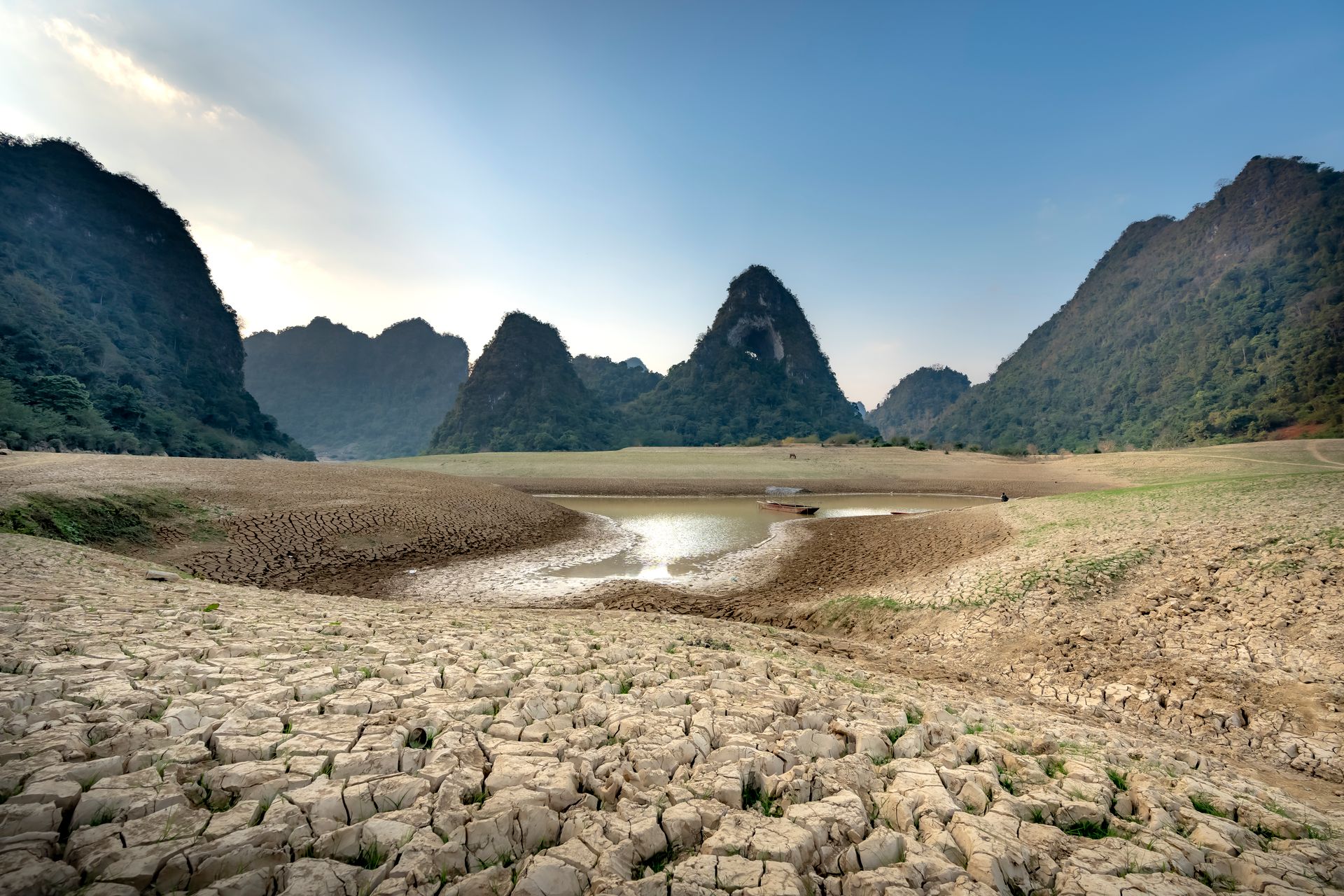
Quang Nguyen Vinh/Unsplash
Climate change makes these trade-offs more consequential because the agricultural geography built around historic climate, water, infrastructure and costs is no longer fixed.
Heat, drought, changing rainfall, declining snowpack and groundwater depletion will alter the viability of existing production regions. Climate change can also worsen water quality: Quality Unknown found that heat and rainfall variability can increase nitrogen concentrations through greater mobilisation and reduced dilution. Companies will diversify sourcing, some production will shift, and governments may spend more defending established regions through irrigation modernisation, reservoirs, transfers, desalination, insurance or drought support.
This is likely to reconfigure sourcing before it reconfigures policy. Companies will diversify origins, traders will shift procurement and governments will try to defend established production systems. The critical question is whether these adjustments reduce underlying water stress or simply move it. Climate adaptation in trade can otherwise become spatial arbitrage: shifting demand from one stressed basin to another without improving the global water outcome.
This creates an uncomfortable choice: when a production region becomes progressively less hydrologically suitable, should public money keep it viable, or help an orderly transition in what is grown and where buyers source?
The answer is difficult because entire regional economies depend on existing production, including farmers, processors, cold chains, banks, ports, labour and tax revenues. Hydrologically rational relocation can therefore be economically and politically disruptive.
Companies already care about sourcing, but not necessarily about water
Large companies pay enormous attention to sourcing. Commodity traders such as Cargill, ADM and Bunge exist precisely because they understand production geography. They monitor weather, yields, commodity prices, freight, quality, logistics and political risk, and can redirect sourcing as conditions change. What matters is which variables enter that sourcing calculus. Water commonly appears first as a supply-continuity or cost risk, and only later as a question of basin sustainability, allocation or ecological impact.
Water therefore enters corporate decisions unevenly. Drought, irrigation restrictions or low river levels matter immediately when they disrupt supply. Regulatory and reputational water risks matter increasingly. But local externalities often receive less attention while production remains legal, available and commercially competitive.
CDP’s 2026 analysis found that companies anticipate almost US$400 billion in future financial impacts from water challenges, while more than one-third still do not systematically assess water risk. Financial materiality is rising faster than corporate water governance.
A company can improve resilience by leaving one stressed source and moving to another. Global water security may not improve. Nearshoring, friendshoring and diversification can reduce corporate exposure while relocating hydrological pressure.
A credible sourcing framework therefore needs three tests: exposure to the source; impact on the basin, ecosystems and other users; and response, meaning whether corporate action reduces the underlying problem or simply moves exposure elsewhere.
Shipping and logistics complicate the picture further
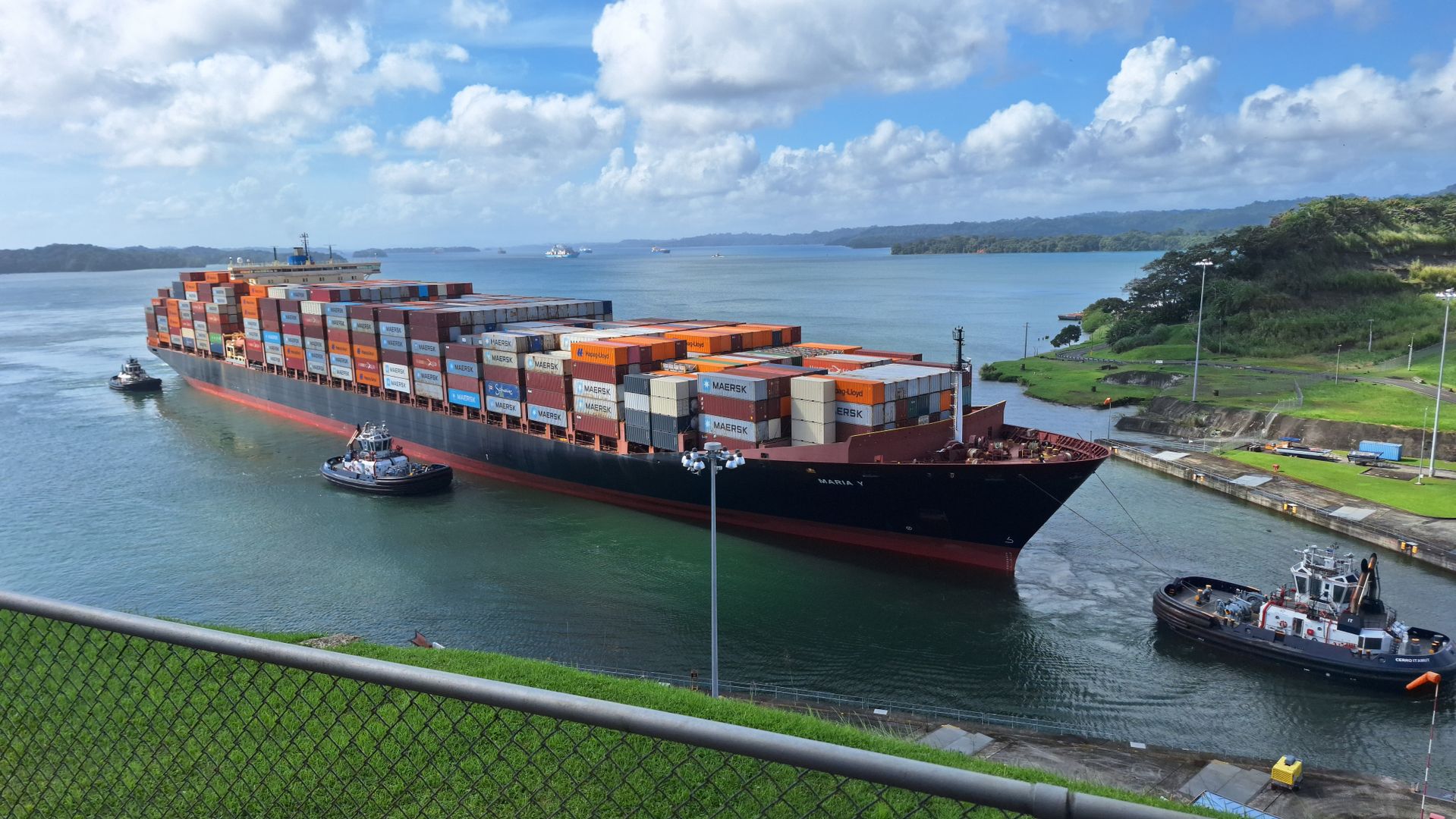
Edwin Stanley Portillo Rodriguez/Pexels
Production shifts also alter logistics because commodities depend on ports, railways, storage, canals and established shipping lanes.
Changes in soybean production, for example, could alter dry-bulk shipping demand, while expanding agriculture in Canada or northern Eurasia could increase the importance of Pacific, Baltic or Arctic-linked routes. Declining Mediterranean horticulture could also reshape shorter European food chains.
Water risk also affects trade routes themselves. The Panama Canal drought showed that supply chains can depend on water both at the production origin and along the transport corridor.
This means the optimal location for agricultural production cannot be identified from water footprint alone. The real optimisation problem is closer to: where can a commodity be produced within hydrological and ecological limits, with acceptable social outcomes, while remaining economically and logistically viable for the markets that consume it? That is a much harder question.
So who should be responsible?
Water remains a sovereign resource. Companies should not decide how a basin allocates water among agriculture, households, ecosystems and industry. Governments and basin institutions must set rights, abstraction limits, environmental flows and pollution standards.
But corporate responsibility cannot end at legal compliance. A trader, brand or retailer knowingly dependent on an overdrawn aquifer, severe pollution or systematically weak enforcement cannot credibly treat the issue as solely the regulator’s problem.
Responsibilities therefore differ: governments and basin institutions set and enforce sustainable allocation and water-quality rules; companies act on supply-chain dependencies and impacts; consumer governments align procurement, due diligence and trade incentives; and financial institutions price risk while financing transition and resilience. Pollution prevention and remediation should not simply be socialised downstream.
Trade policy should therefore influence the incentives around production, not attempt to allocate basin water from afar.
From measuring water to governing the geography of production
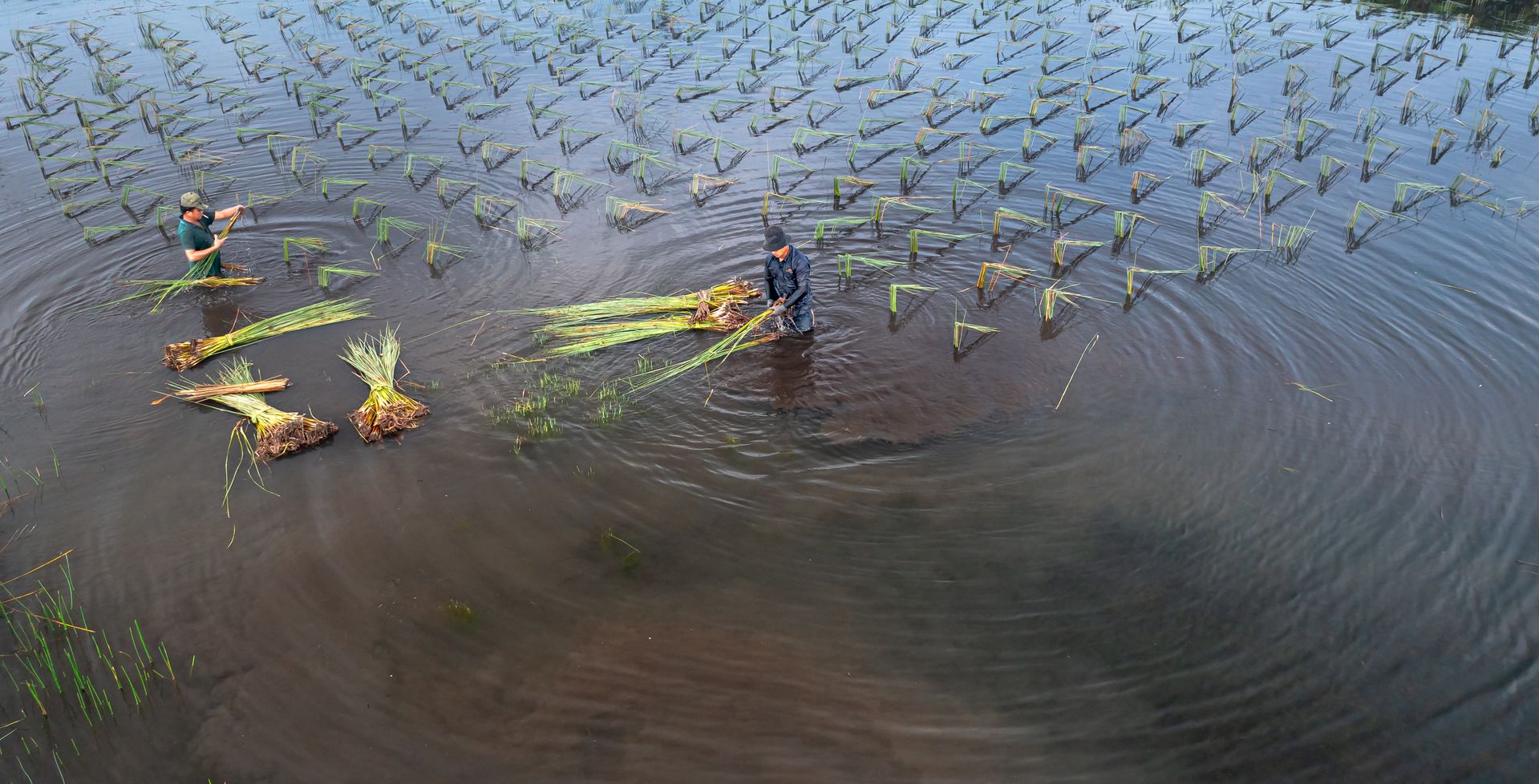
Quang Nguyen Vinh/Pexels
The water-and-trade debate must move beyond litres. Virtual water reveals dependencies; water footprints locate green, blue and grey water use; Fair Water Footprints add sustainability, equity and responsibility. But these tools are diagnostic, not allocative. They cannot decide how a basin should divide water among agriculture, cities, ecosystems and industry.
For every major traded commodity we should increasingly ask: Why is it grown here? Is the advantage climatic, hydrological or subsidised? Who buys it? Who captures the value? Who bears the scarcity and pollution? Who pays for drinking-water treatment, ecosystem restoration and regulatory enforcement? Who finances resilience and remediation? And if this location becomes unsustainable, who pays for transition?
Those questions lead toward a different policy objective. The aim should not be to suppress trade. Properly structured trade is an essential adaptation mechanism in a world of unequal water endowments. Nor should every region simply grow whatever produces the highest financial return per cubic metre. Water has ecological, social and strategic values that market prices routinely miss.
Recent IUCN resolutions already provide a policy foundation through calls for commodity traceability, supply-chain risk categorisation, landscape-scale production management, stronger environmental governance and scrutiny of harmful agricultural subsidies. Extending that logic to water would connect trade and biodiversity policy with basin-level water security.
Global trade should increasingly support production where water use is hydrologically viable, water quality is protected, social outcomes are legitimate and ecosystems can function. That requires subsidy reform, basin governance, traceability, responsible procurement, pollution prevention and transition finance, alongside integration of water risks into fiscal, agricultural, trade and investment planning.
The simplest principle may be the most important: those who benefit economically from embedded water should contribute to maintaining the water systems that make that trade possible.
Water may remain invisible on the supermarket shelf. It should not remain invisible in the decisions that determine where the product comes from.
Authors:
James Dalton and Sofie Jaffe
